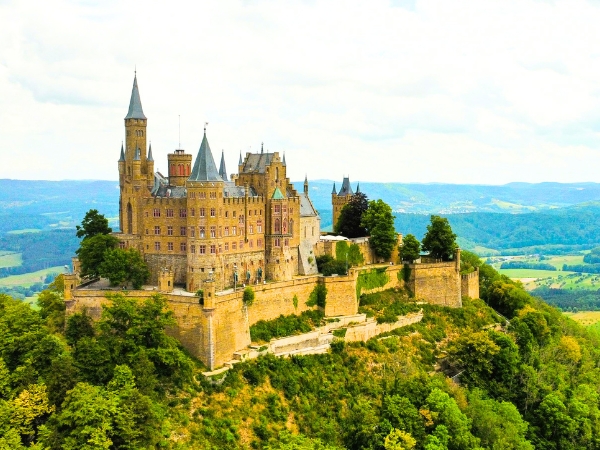
Germany is a country of extraordinary diversity, where centuries of history seamlessly blend with contemporary culture, and dramatic landscapes change dramatically with every turn of the wheel. Beyond the tourist corridors of its major cities lies a vast network of scenic routes, historic villages, and breathtaking national parks.
To truly experience the rich tapestry of this central European nation, there is no better approach than to explore Germany by car. Renting a vehicle gives you complete control over your itinerary, allowing you to venture away from tourist hubs, pause at quiet roadside viewpoints, and discover rural charm that public transport simply cannot reach.
From the world-famous Autobahn network to winding secondary roads through dense forests and alpine valleys, Germany offers exceptional infrastructure for drivers. The freedom of the open road enables travellers to pause in fairy-tale towns, sample local cuisine at country inns, and carry luggage effortlessly across regions.
However, the experience of navigating German roads shifts markedly throughout the year. Each season presents a distinct personality, offering unique visual highlights, specific driving conditions, and varying travel dynamics. This comprehensive seasonal guide will help you navigate the nuances of driving through Germany no matter when you decide to embark on your journey.

Spring in Germany is a time of awakening, as the cold grip of winter recedes and the countryside bursts into fresh greenery and vibrant blossom. Spanning from March to May, this shoulder season offers a lovely transition period characterised by pleasant temperatures, blooming flora, and quiet highways.
To experience the best of spring, take a drive along the German Wine Route in the Rhineland-Palatinate, where almond trees bloom in delicate shades of pink during early spring. Further north, the historic city of Bonn becomes famous for its stunning cherry blossom avenues. Spring is also the ideal time to travel along the Castle Road, visiting majestic fortresses like Heidelberg Castle and Schloss Sanssouci in Potsdam just as their magnificent gardens begin to bloom.
Driving conditions during spring are generally easy and low-stress. Early in the season, you may still encounter occasional morning frost or lingering winter showers, particularly in elevated areas, but major roads remain well-maintained. Traffic volumes are moderate compared to the peak summer holiday season, making long-distance driving swift and enjoyable.
The primary advantage of visiting in spring is the ability to enjoy major sightseeing spots without the long queues and dense crowds of summer. Accommodation prices and car rental rates remain relatively reasonable. The primary disadvantage is the notoriously unpredictable weather, which can alternate between warm sunshine and chilly rain within a single afternoon.

Summer is the traditional high season for travel across Europe, spanning from June to August. During these warm months, long daylight hours invite extended road trips and late evening drives through sunlit landscapes. This season provides access to the full spectrum of German outdoor life.
A highlight during this season is the German Alpine Road, which weaves through southern Bavaria along dramatic mountain passes, crystal-clear lakes such as Lake Tegernsee, and iconic sights like Neuschwanstein Castle. Up north, drivers can explore the coastal routes along the Baltic and North Sea coastlines, hopping between charming seaside resorts and pristine sandy beaches. Vibrant beer gardens and outdoor cultural festivals animate almost every town along your route.
Road conditions in summer are universally clear and snow-free, making driving through mountain passes smooth and scenic. However, summer also brings significant highway traffic. This period coincides with school holidays across Europe, leading to increased congestion on major routes. Furthermore, summer is the primary season for highway maintenance, meaning drivers frequently encounter roadworks and reduced speed zones.
The main advantage of a summer road trip is the extended daylight, which often lasts past nine in the evening, giving you ample time to explore Germany by car without feeling rushed. Every tourist attraction, cable car, and mountain trail is fully open and accessible. Conversely, the disadvantages include higher prices for vehicle hire and accommodation, busy parking areas at popular sites, and occasional delays caused by motorway traffic jams.

As the summer crowds disperse, autumn brings a rich palette of golden colours, crisp air, and atmospheric driving conditions from September to November. It is a spectacular time for motorists who appreciate natural beauty and seasonal culinary traditions.
Among the best regions to explore in autumn are the Moselle and Rhine River valleys, where terraced vineyards turn brilliant shades of yellow and orange. This is the heart of the wine harvest season, bringing lively local wine festivals to almost every riverside village. Driving through the Black Forest offers mesmerising views of dense canopy foliage framed against winding mountain roads. Additionally, late September marks the start of world-famous traditional harvest and autumn celebrations throughout Bavaria.
Driving conditions in early autumn remain pleasant, though the transition into late October and November brings cooler temperatures and increased rainfall. Drivers should be prepared for heavy morning fog, especially in river valleys and low-lying areas, as well as slippery road surfaces caused by wet fallen leaves.
The advantages of an autumn driving tour include magnificent autumn foliage, abundant harvest celebrations, and a noticeable drop in tourist crowds following the end of September. The drawbacks include progressively shorter daylight hours and cooler, damper weather as winter approaches.

Winter transforms the German countryside into a serene, snow-covered landscape, running from December through February. While driving requires greater care during this season, the magical atmosphere makes it a rewarding endeavour for prepared travellers.
The standout feature of early winter is Germany's iconic Christmas market season. Taking a road trip along the Romantic Road allows you to visit picture-perfect medieval towns like Rothenburg ob der Tauber, Nuremberg, and Dinkelsbühl, all adorned with festive lights, wood stalls, and the aroma of spiced mulled wine. For enthusiasts of winter sports and dramatic alpine scenery, the snow-laden roads of the Bavarian Alps and the Ore Mountains offer breathtaking drives to skiing hubs and snowy fortresses.
Winter driving conditions demand caution and preparation. Freezing temperatures, snowfall, and black ice are common, particularly in southern regions and higher elevations. In Germany, winter tyres or all-weather tyres marked with the official alpine symbol are legally mandatory when driving in winter weather conditions. Motorists should ensure their rental vehicle is equipped correctly before setting out.
The main advantage of winter exploration is the enchanted holiday atmosphere and the unique charm of snow-covered historical towns, alongside fewer tourists in January and February. The main disadvantages are hazardous driving conditions, road closures on steep mountain passes, and short winter days, with the sun setting as early as four in the afternoon.

How does seasonal traffic impact drives in Germany? Traffic fluctuates significantly throughout the year, with peak congestion occurring during the summer months due to European school holidays and widespread motorway roadworks. In contrast, travelling during the spring or autumn shoulder seasons offers much quieter highways and a far more relaxed driving experience.
What are the benefits of visiting in spring or autumn? Both seasons offer comfortable driving temperatures, lower car hire prices, and fewer crowds at major attractions compared to peak summer. Additionally, spring brings vibrant floral displays along rural routes, while autumn showcases striking forest foliage and lively vineyard harvests.
What hazards must tourists expect during autumn road trips? Autumn drivers often encounter thick morning fog in low-lying river valleys alongside slippery, leaf-covered road surfaces. Reduced daylight hours towards late October and November also mean you should carefully plan shorter driving stints each day.
Is it difficult to navigate German alpine passes during winter? Mountainous routes like the German Alpine Road can feature heavy snow, black ice, and temporary closures during severe winter weather. Driving through these regions requires extreme caution, proper winter equipment, and a flexible itinerary in case pass closures force a detour.
Are winter tyres necessary when driving during cold months? Germany operates on a situational winter tyre law, meaning suitable tyres marked with the Alpine symbol are legally required whenever conditions become icy or snowy, regardless of the month. If you plan to explore Germany by car between October and April, you must ensure your rental vehicle is equipped with season-appropriate tyres to avoid fines or insurance issues.
Choosing to explore Germany by car reveals a side of the country that fixed rail itineraries simply cannot match. From the sun-drenched vineyards of spring and the high alpine passes of summer to the golden forest canopies of autumn and the fairytale Christmas markets of winter, every season provides a compelling reason to take to the road.
While summer promises long daylight hours and full access to mountain trails, and winter delivers unmatched festive cheer, the overall best time to embark on a German road trip is during the shoulder seasons of late spring and early autumn. The months of May, September, and October strike the perfect balance between pleasant driving weather, vibrant seasonal scenery, reasonable accommodation rates, and manageable traffic levels.
Whether you dream of speeding along modern highways, cruising past historic castles, or stopping at quiet country cafes, the open road awaits. Book your rental car, plan your scenic route, and set off on an unforgettable journey across Germany today.