Germany boasts majestic landmarks that seem to have been pulled out of the pages of a storybook. Scattered across its mist-shrouded forests, winding river valleys, and jagged alpine peaks are more than 25,000 castles, fortresses, and aristocratic ruins. This breathtaking concentration of architectural splendour serves as a tangible link to a past defined by medieval knights, powerful dynasties, and romantic folklore.
These historic structures were the primary inspiration for the Brothers Grimm, who collected famous tales such as Sleeping Beauty, Rapunzel, and Snow White while travelling through the dense woods of central Germany. Decades later, these same dramatic towers and stone battlements inspired modern pop culture, from movies to television series.
To truly experience this enchanting heritage, planning a driving adventure is essential. This comprehensive guide provides everything you need to know to create your bespoke fairytale road trip through Germany, including an epic seven-day itinerary and essential tips for a smooth and memorable journey.
While Germany boasts an efficient rail network, exploring its finest medieval fortresses by train often presents logistical hurdles. Many of the country's most spectacular castles are perched atop remote volcanic cones, nestled deep within river valleys, or hidden in dense woodlands well beyond the reach of suburban railway stations. Relying solely on trains, buses or taxi services can severely limit your itinerary and consume hours of your trip.
Embarking on a fairytale road trip grants you absolute freedom over your daily schedule. Driving allows you to arrive early at popular sites before tourist crowds arrive, make spontaneous detours through medieval hamlets, and pause at scenic viewpoints along the way. Furthermore, renting a car ensures you can easily transport your luggage, allowing you to move smoothly between charming boutique hotels and historic castle estates.

Your fairytale road trip begins upon arrival at Frankfurt, where you can pick up your rental vehicle. Drive approximately ninety minutes heading west toward the UNESCO World Heritage-listed Upper Middle Rhine Valley, where you can witness a river landscape famous for steep slate vineyards and hilltop ruins.
Your primary destination is Rheinstein Castle, a beautifully restored nineteenth-century structure perched high above the Rhine River. After exploring its Gothic courtyard, historic weaponry, and terraced gardens overlooking the water below, continue along the riverbanks to your accommodation. Ending your first day by checking into a heritage hotel sets an authentic historic tone for the rest of your expedition.
On the second morning, drive west toward the tranquil Mosel Valley, where steep terraced vineyards line the riverbanks. Your first stop is Burg Eltz, one of the few medieval fortresses in Europe that has never been destroyed. Tucked deep inside a lush nature reserve, the castle has remained in the care of the same family for thirty-three generations. Arriving early allows you to enjoy a peaceful forest walk to the castle entrance before the crowds arrive.
After touring the interior of Burg Eltz, drive a short distance along the river to the town of Cochem. Rising above the half-timbered houses is the Reichsburg Cochem, an impressive imperial fortress featuring towering spires and rich interior woodwork. Conclude your day with a stroll along the river promenade before enjoying a traditional meal at a local tavern.
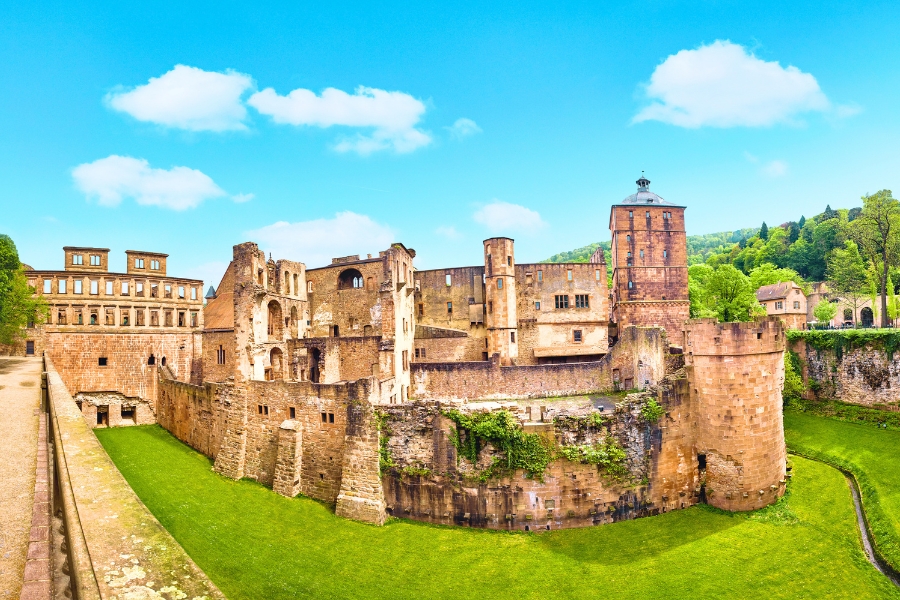
On day three, depart the Mosel region and drive south toward the historic university town of Heidelberg, situated along the Neckar River. The journey takes roughly two hours and brings you to the imposing ruins of Heidelberg Castle. Built from local red sandstone, this massive structure sits dramatically on the slopes of Mount Jettenbühl, offering panoramic vistas across the historic Old Town and the Neckar valley.
Spend your afternoon exploring the expansive castle grounds, the inner courtyard exhibiting ornate Renaissance facades, and the Heidelberg Tun, an enormous eighteenth-century wine barrel capable of holding over two hundred thousand litres. In the late afternoon, descend into the Old Town and cross the Old Bridge to admire the castle backlit by the setting sun.
On the fourth day, travel south into the heart of Baden-Württemberg toward Bisingen. Rising abruptly from the countryside is Mount Hohenzollern with the Hohenzollern Castle on top. As the ancestral seat of the Prussian Royal House and Hohenzollern Dynasty, this majestic fortress resembles a crown perched upon the mountaintop. A guided tour of its interior reveals royal crowns, historical armour, and grand reception halls.
If time permits during your afternoon drive, consider a short detour to Lichtenstein Castle. Often referred to as Neuschwanstein's smaller sibling, this delicate nineteenth-century castle built directly onto a sheer cliff ledge is accessible only via a wooden drawbridge. After exploring, conclude your day by staying at a traditional Swabian guesthouse nearby.

On day five, leave the Swabian Alps and drive northeast to traverse the famous Romantic Road route. The journey takes roughly two and a half hours and brings you to the historic medieval walled city, Rothenburg ob der Tauber, which served as the visual inspiration for classic fairy tales and traditional artwork due to its architecture and cobblestone streets.
Spend your afternoon walking along the top of the city walls, visiting the picturesque Plönlein square, and admiring the half-timbered houses. In the evening, join the local night tour, where a guide dressed in historic costume leads visitors through dimly lit alleyways while sharing stories of medieval life.
On your sixth day, drive south along the Romantic Road toward the majestic Bavarian Alps near Füssen and Schwangau. This region is home to two castles of King Ludwig II of Bavaria, and visiting both provides a fascinating insight into the monarch’s tragic life and creative vision. The first stop is Hohenschwangau Castle, the neo-Gothic childhood residence of the king, which offers a quieter atmosphere than its famous neighbour.
Nearby stands the ultimate symbol of romantic architecture, Neuschwanstein Castle. This extravagant retreat was designed as a theatrical homage to the operas of Richard Wagner. Explore the interior halls, including the Throne Room and the Singers' Hall, before walking to Marienbrücke, a pedestrian bridge suspended over a gorge that offers the iconic postcard view of the structure.
On the final day of your fairytale road trip, drive east through the Ammergau Alps toward Linderhof Palace. This is the smallest of the three palaces built by King Ludwig II and the only one he lived to see completed. Modelled after French Rococo architecture, the palace is surrounded by magnificent gardens, elaborate fountains, and the artificial Venus Grotto.
Following your tour of Linderhof, take a brief stop at Ettal Abbey, an impressive Benedictine monastery, before continuing your drive toward Munich. Upon arrival in the Bavarian capital, you can celebrate the conclusion of your journey by enjoying a delicious dinner with classic regional food and beer.

Book Your Castle Tickets Early: Iconic sites like Neuschwanstein and Burg Eltz operate on strict timed-entry slots that usually sell out weeks or months ahead of time. Reserving your tickets early online ensures you secure your preferred viewing times and avoid long queues at the gate.
Travel during Shoulder Months: Travelling in late spring, from May to June, or early autumn, from September to October, offers pleasant driving weather and vibrant natural scenery. You will also encounter significantly smaller crowds at popular landmarks compared to the peak summer season.
Stay in Nearby Heritage Hotels: Many historic fortresses throughout the Rhine, Mosel, and Neckar valleys have been converted into charming heritage hotels. Booking a room in one of these properties extends the magic of your daily tours into an unforgettable overnight experience.
Observe German Driving Rules: Paths leading to hilltop or remote castles are often narrow and winding, so it is vital to master local driving rules. Follow the speed limits, which are usually 50 km/h in towns and 100 km/h on rural roads, and obey the right-of-way rules in intersections and roundabouts.
Wear Comfy Shoes and Clothes: Reaching hilltop fortresses almost always requires tackling steep cobblestone paths, winding trails, and dozens of historic stone steps. Wearing supportive shoes and dressing in breathable layers of clothes ensures you stay comfortable as temperatures shift between valleys and windy hills.

What is the best rental vehicle for a fairytale road trip? A compact or mid-sized car is the ideal choice for driving along narrow medieval streets and navigating tight parking garages. Smaller vehicles also offer better fuel efficiency while easily accommodating luggage for two to three passengers.
How much should I allocate for fuel and parking costs? You should allocate roughly €150 to €200 for fuel over a seven-day trip, depending on your vehicle's efficiency. Meanwhile, parking at castle grounds and historic old towns typically costs an additional €5 to €15 per location.
Is it difficult for foreign tourists to drive across Germany? Navigating German roads is typically easy for tourists thanks to exceptionally maintained highways, clear signage, and reliable GPS coverage. While you should familiarise yourself with local rules and etiquette, driving remains the best way to travel between castles.
How far in advance should I book my castle entry tickets? You should reserve your tickets online at least four to six weeks in advance, especially for world-famous sites like Neuschwanstein Castle. Popular time slots during the summer months and holiday seasons can sell out completely months before your trip.
Can I tour the inside of all the castles on this road trip itinerary? Yes, every major stop on this itinerary offers interior tours to view historic living quarters, state rooms, and armouries. Keep in mind that some interiors require a timed guided group tour, while others allow self-guided exploration with an audio headset.
Are German castles accessible for visitors with limited mobility? Accessibility varies significantly because many ancient fortresses feature uneven cobblestones, steep hills, and narrow staircases. While select palaces offer elevators or shuttle assistance, you should check each site's official guidelines before your visit.
A fairytale road trip through Germany offers an unforgettable journey into the country’s majestic grandeur and natural beauty. From the vine-clad hillsides of the Rhine and Mosel rivers to the dramatic peaks of the Bavarian Alps, this itinerary showcases the remarkable architectural heritage that inspired world-famous folklore.
Designing your road trip with a flexible driving schedule gives you the freedom to explore ancient battlements, wander through historic forests, and discover charming regional towns at your own pace. Ready to step into your own fairy tale? Plan your route, book your rental car, and embark on a legendary journey through the enchanting heart of Germany.