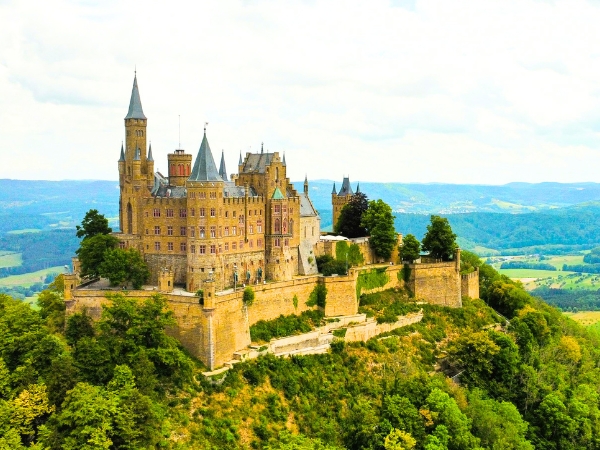
Renting a car in Germany provides the ultimate freedom to explore scenic routes and vibrant cultural landscapes. From cruising along the famous Autobahn to navigating the winding roads of the Black Forest and the Bavarian Alps, having your own vehicle allows you to set your own pace.
However, before hitting the road, one of the most critical decisions you must make when booking a rental car in Germany is choosing between a manual and an automatic transmission. Historically, European rental fleets have leaned heavily towards manual vehicles, reflecting local driving preferences and manufacturing trends. While automatic models are increasingly available today across major rental companies, manual cars still make up a substantial portion of the market.
Selecting the right transmission type is not merely a matter of vehicle preference; it directly impacts your comfort level and overall travel experience. Balancing your driving skills, planned itinerary, and travel budget will help ensure you select the best rental car for your upcoming journey.
Manual transmission cars have long been the traditional choice for drivers in Germany and across Europe. Opting for a manual vehicle comes with distinct practical and financial advantages, though it also requires a specific skill set and more effort from drivers.
The primary advantage of renting a manual car is cost efficiency. Manual vehicles typically have lower daily base rates and are more fuel-efficient than their automatic counterparts. For budget-conscious travellers or those planning extended road trips, these savings can be significant, especially after a week-long journey.
Furthermore, because manual cars remain widespread across European fleets, they offer greater availability. If you are booking at short notice or travelling during peak summer months, securing a manual vehicle is often much easier. You don’t have to worry about finding an economy car or a standard hatchback as you arrive at the airport.
Beyond cost and availability, manual vehicles offer enhanced control over engine power. When navigating steep alpine passes, winding country roads, or descending mountain routes, being able to manually select and hold a lower gear enables effective engine braking and precise speed control. Many drivers also appreciate the tactile engagement that manual driving provides, feeling more connected to the mechanics of the vehicle.
Conversely, operating a manual transmission vehicle can lead to fatigue, particularly in demanding driving environments. Navigating heavy urban traffic in major metropolitan hubs such as Munich, Frankfurt, or Berlin requires continuous clutch control and frequent gear shifting. Similarly, experiencing stop-and-go congestion on the Autobahn can quickly turn a manual drive into a tiring chore.
Additionally, for drivers who are unaccustomed to operating a manual gearbox on a daily basis, driving it in an unfamiliar foreign environment can be stressful. The risk of stalling at busy intersections, struggling with hill starts on steep city streets, or misjudging gear shifts while reading unfamiliar road signs can diminish the enjoyment of your trip.

Automatic transmission vehicles have seen a rapid rise in popularity across Germany, driven in part by the growth of hybrid and electric vehicles within modern rental fleets. While renting an automatic car often incurs a premium rate, the convenience it provides makes it an attractive choice for many international visitors.
The main advantage of choosing an automatic vehicle is the stress-free driving experience. An automatic transmission removes the physical exertion of gear shifting and clutch control, allowing you to focus entirely on the road ahead. Navigating complex city intersections, roundabouts, and traffic jams becomes considerably easier when you do not need to worry about gear selection or stalling.
This ease of operation is particularly beneficial for adapting to local traffic regulations and road conditions. When driving a rental car in Germany, foreign visitors must process unfamiliar road signage, monitor speed limits, and adapt to driving conventions. An automatic vehicle enables you to pay closer attention to signs and your digital map.
Additionally, modern automatic vehicles in higher fleet tiers often feature advanced driver-assistance systems, adaptive cruise control, and refined engine management, ensuring a smooth drive on long stretches of motorways. Also, if you are an eco-conscious traveller, hybrid and electric cars are usually available in automatic transmission.
The primary drawback of renting an automatic car is the higher daily base rate. Car rental operators generally classify automatic vehicles in premium pricing categories, which can result in a base rate noticeably above that of a comparable manual model. Over a period of one or two weeks, this cost differential can add up substantially.
Another consideration is limited fleet availability. Automatic vehicles make up a smaller proportion of overall rental inventories, particularly in compact and economy classes. If you require an automatic car, you must book months or weeks in advance to guarantee vehicle availability upon arrival, as walk-up reservations or last-minute bookings may yield only manual options.

When choosing between a manual and an automatic rental car in Germany, you should consider several practical factors to ensure your selected vehicle perfectly suits your travel plans and needs.
The first thing you need to honestly evaluate is your driving skills. If you are not used to driving a manual vehicle regularly at home, operating it in a foreign country with strict traffic regulations is not a good idea. Germany has fast-moving traffic, and confidence behind the wheel is essential for keeping yourself and others safe on the road. If you have any hesitation about shifting gears manually under pressure, paying extra for an automatic vehicle is a worthwhile investment to give you total peace of mind while exploring.
Next, it is vital to consider the geography and road conditions in your planned itinerary. If your chosen routes involve navigating major cities or driving long distances on primary motorways where traffic jams frequently occur, an automatic vehicle offers a smooth and stress-free journey. On the other hand, if your itinerary consists mainly of rural driving, open highways, and scenic countryside routes with a relaxed traffic flow, a manual vehicle can be an enjoyable and highly economical choice. While modern automatic transmissions handle mountainous terrain effortlessly, confident drivers may still prefer the superior gear control of a manual car when driving through alpine passes.
Finally, you need to calculate which transmission type fits your travel budget, weighing the total savings against your personal comfort. Manual vehicles usually come with lower daily rental rates and often boast superior fuel efficiency, reducing your overall transport expenses. If you are managing a strict budget, these savings mean you can allocate more funds for accommodation, dining, and other tour activities. However, if your budget can handle the added price for an automatic car, the added ease and comfort it provides often justifies the premium cost.

Are rental fleets in Germany mostly manual or automatic? The majority of car rental fleets are composed of manual vehicles, and they are widely available in economy and compact categories. However, the supply of automatic cars is growing rapidly due to the widespread adoption of modern electric and hybrid vehicles.
Is it more expensive to rent an automatic car in Germany? Yes, automatic rental cars generally command higher daily rates than manual vehicles of comparable size and specification. This cost differential is largely because rental providers classify automatics in premium vehicle tiers.
Will booking a manual car help me save money on fuel costs? While manual cars traditionally offer better fuel economy, modern automatic vehicles are slowly narrowing the gap. Consequently, overall savings from choosing a manual car stem primarily from lower base rental rates rather than differences in fuel consumption.
Which transmission type is best for navigating the Autobahn? An automatic car provides a more relaxing experience on high-speed motorways, particularly when using cruise control or navigating sudden traffic jams. A manual car performs equally well at cruising speeds, but traffic bottlenecks require significantly more effort.
Can I drive a manual car if my home driving licence is automatic-only? No, you cannot legally drive a manual transmission vehicle if your driving licence is limited to automatic cars. Doing so violates local traffic regulations and will automatically invalidate your rental insurance coverage.
How far in advance should I book an automatic rental car in Germany? It is best to reserve an automatic vehicle several weeks or months ahead of your planned trip, especially if you are travelling during the peak season. Because rental fleets have limited supply, last-minute bookings often leave you with only manual car options.
Choosing between a manual and automatic rental car in Germany ultimately comes down to balancing cost, availability, and personal preferences. Manual vehicles remain an excellent option for budget-conscious travellers who are comfortable shifting gears and plan to explore open rural highways. Conversely, automatic cars provide a stress-free driving experience, allowing travellers to focus more on the road ahead, easily navigate busy urban centres, and seamlessly manage Autobahn traffic jams.
By carefully considering your driving skills, planned itinerary, and travel budget, you can select the transmission type that best supports your needs. Once you make your choice, you can look forward to exploring the country's historical landmarks, countryside landscapes, and modern highways with total confidence. Ready to hit the road? Book your ideal rental car on Final Rentals today to begin your driving adventure across Germany.